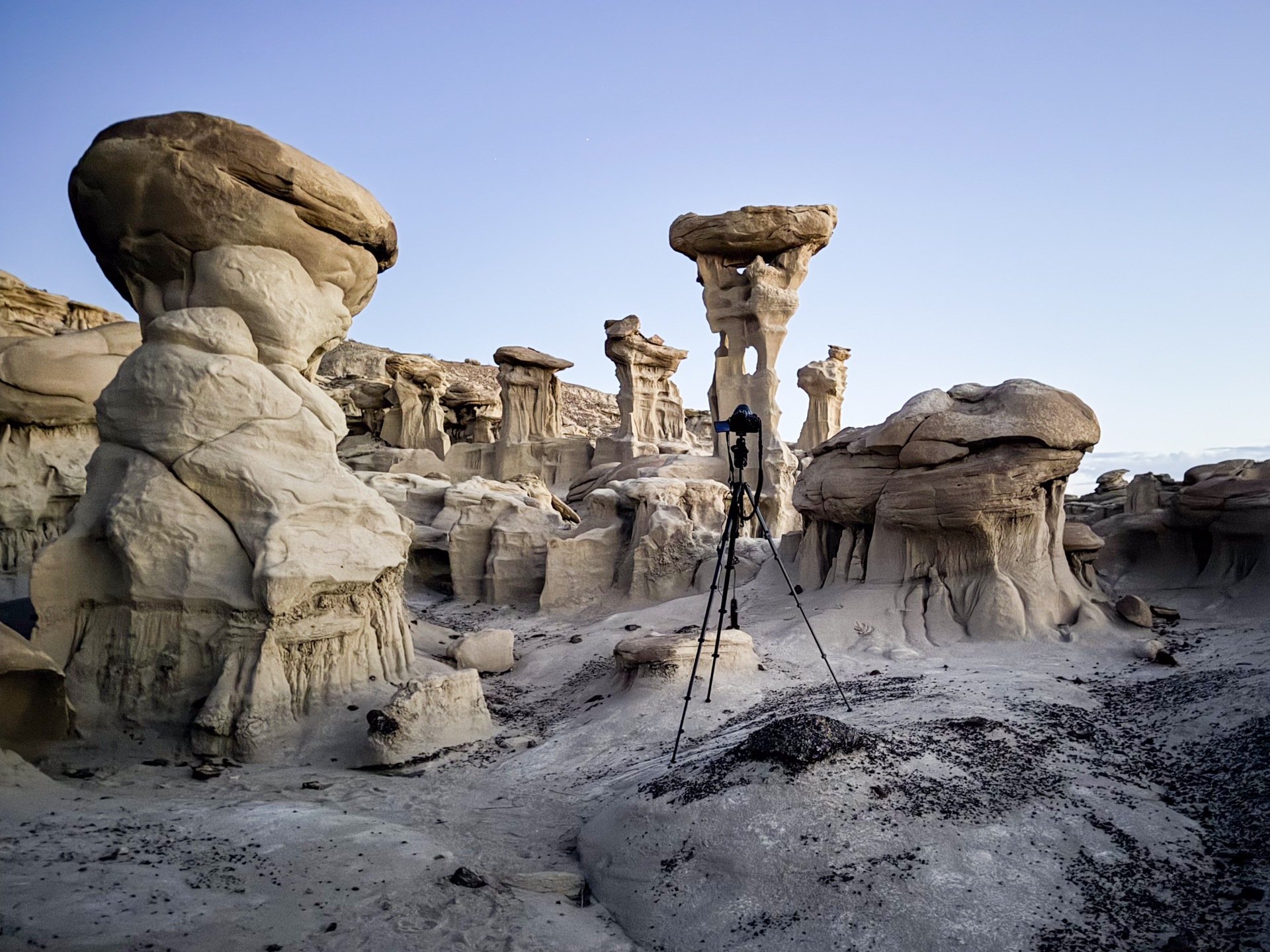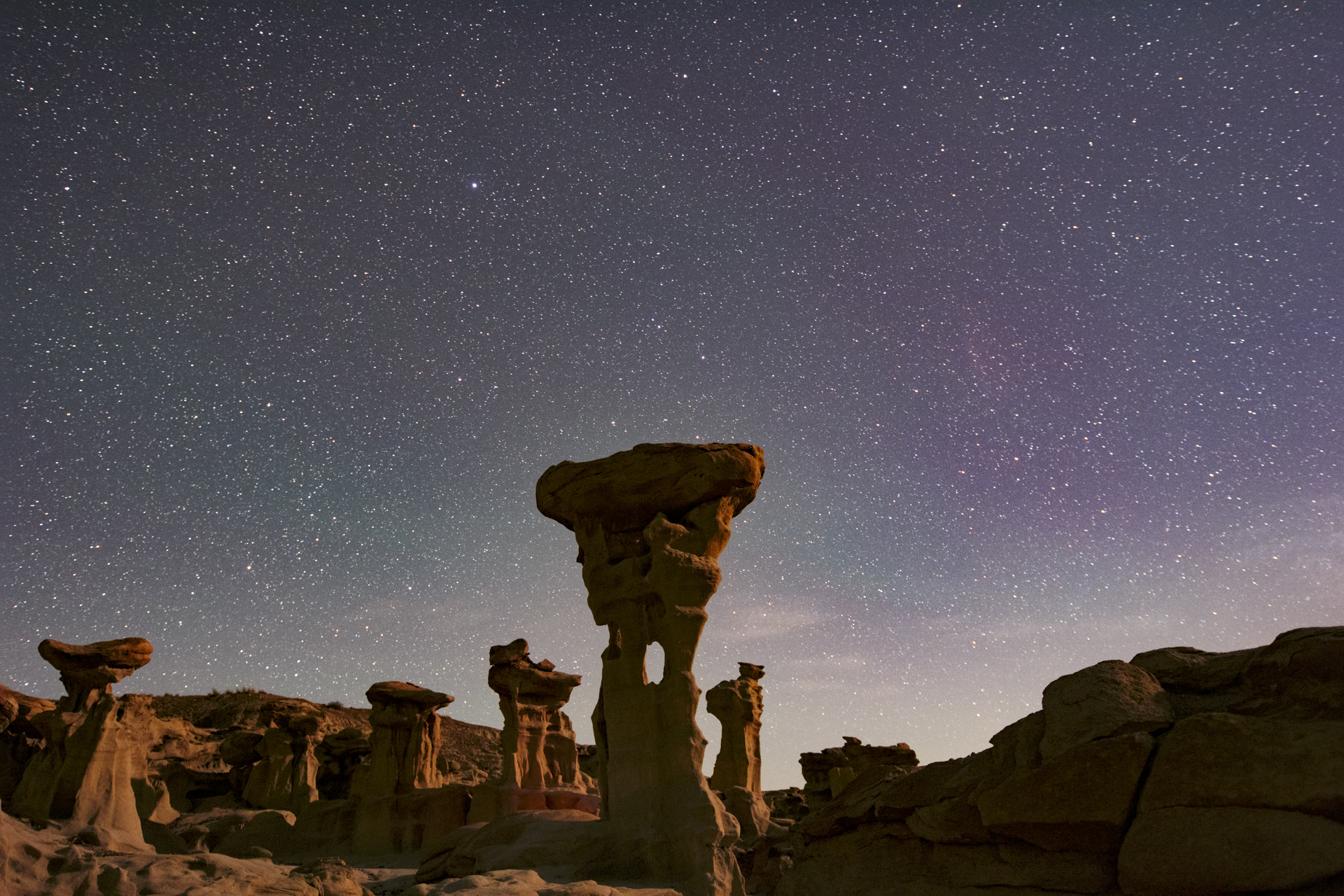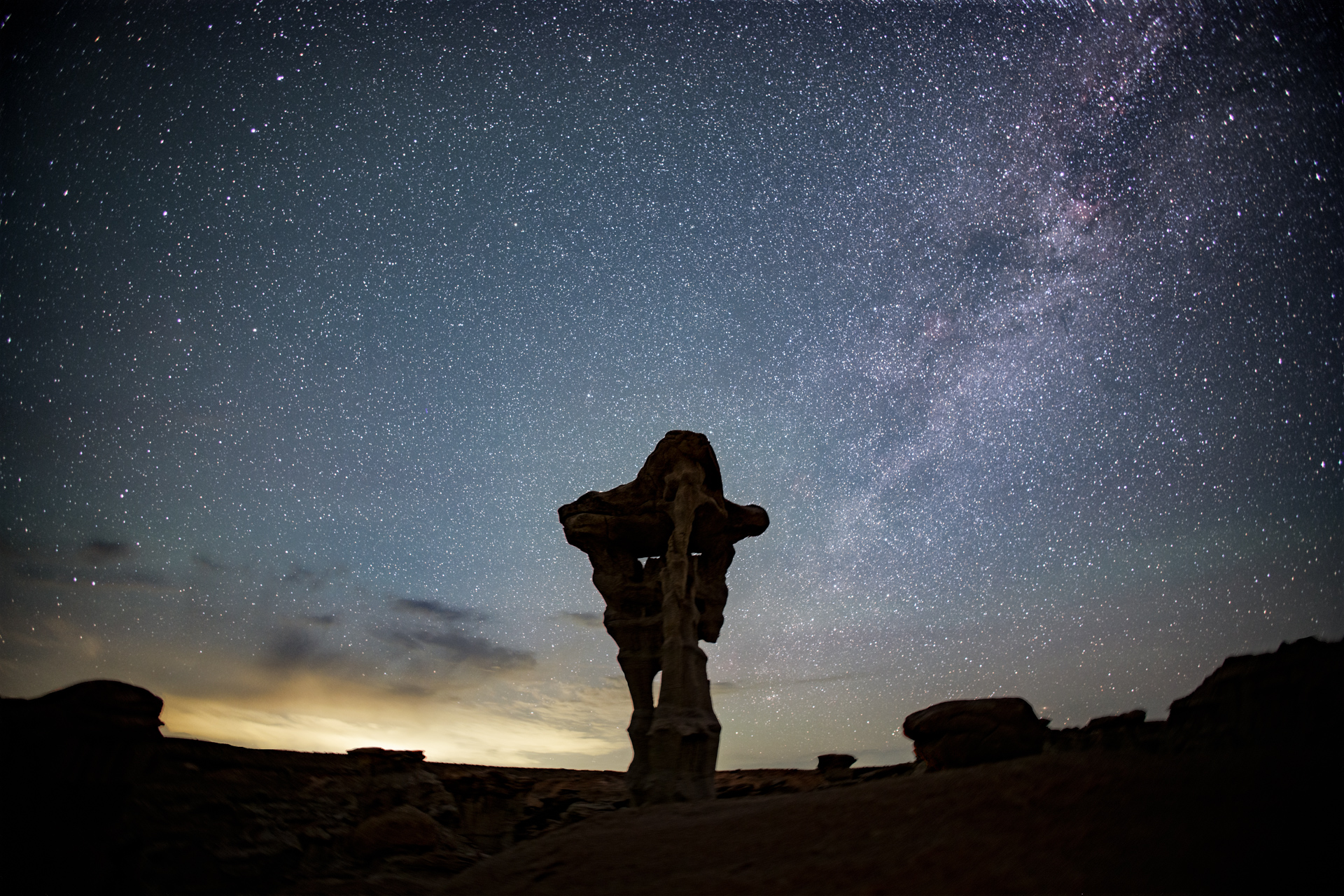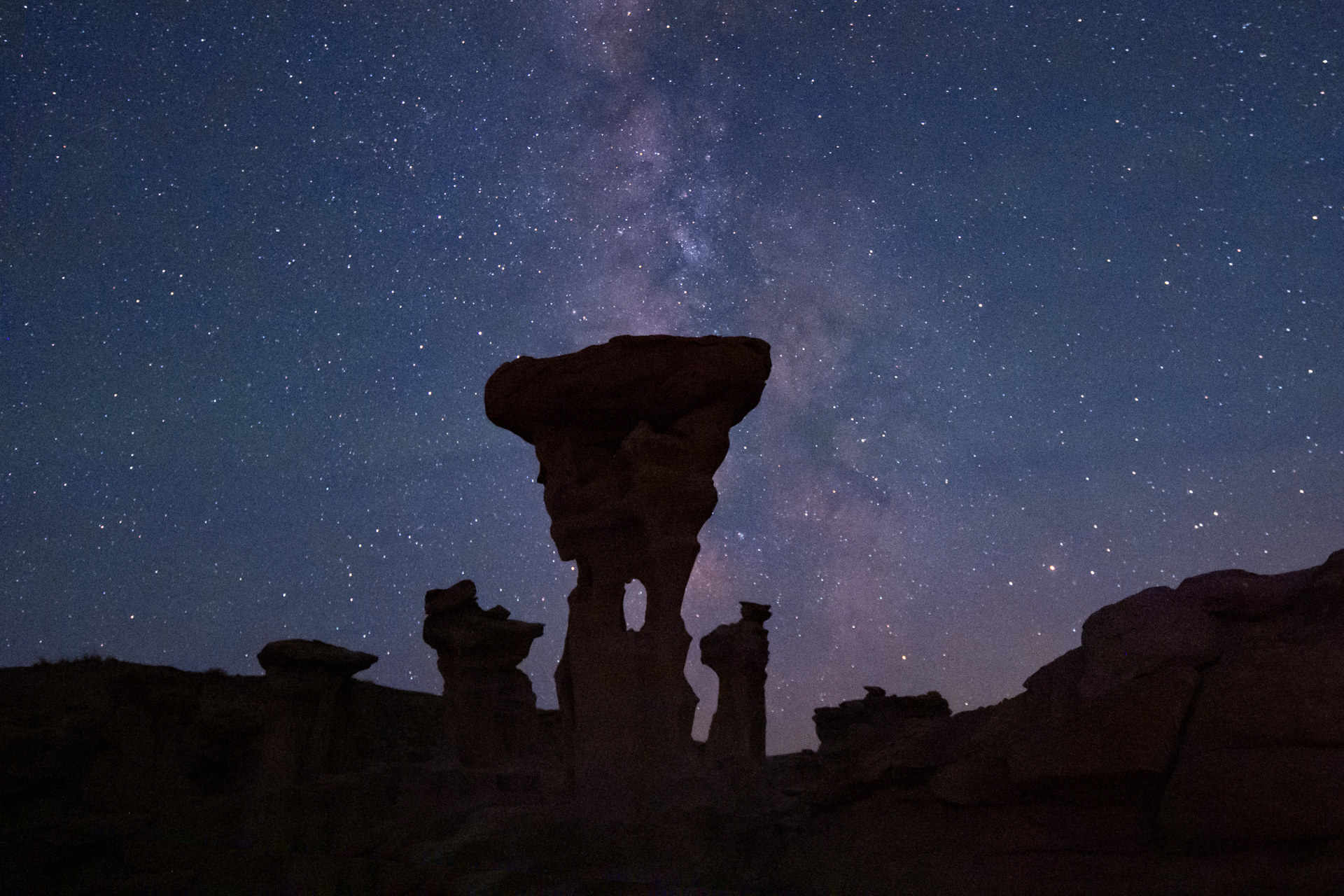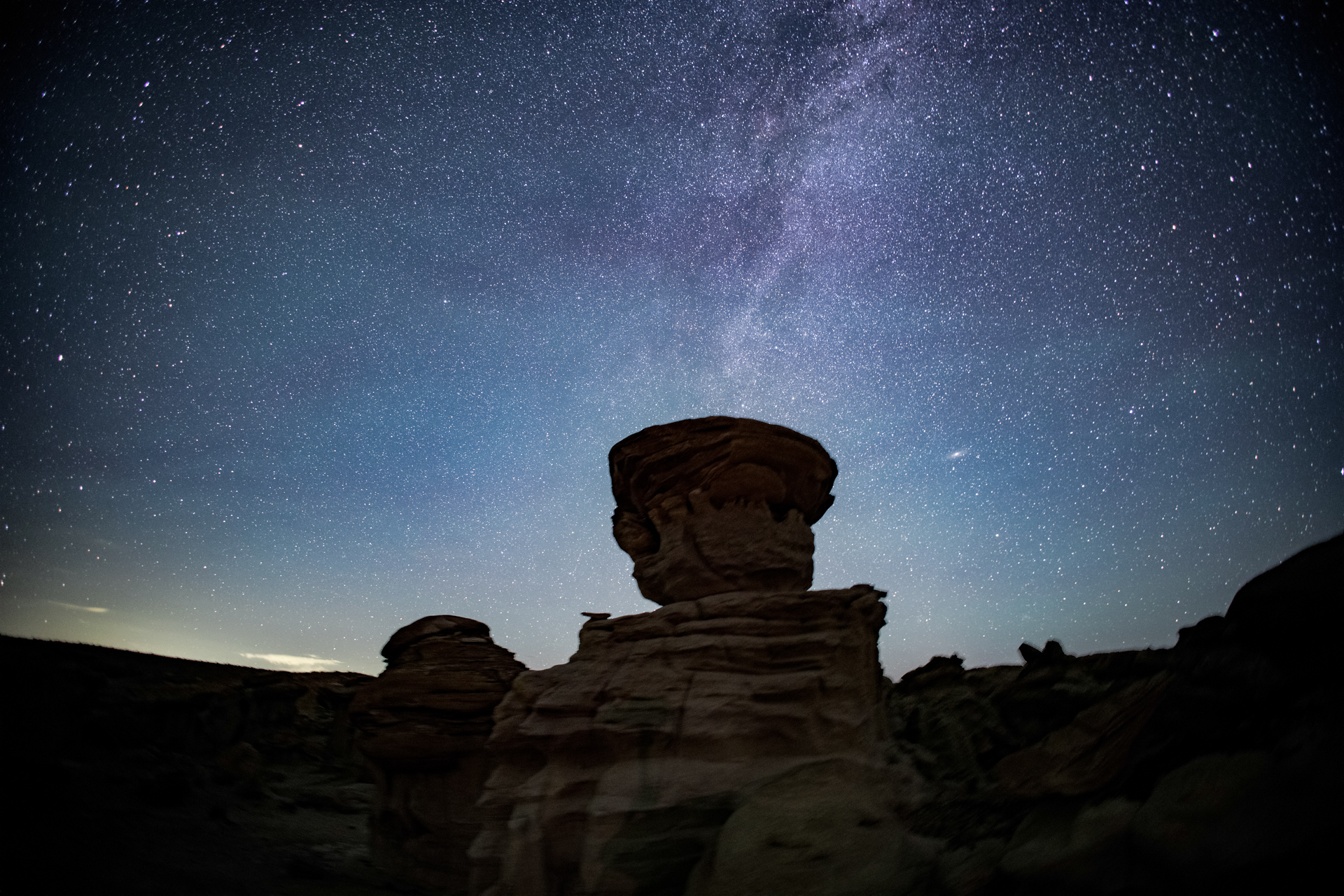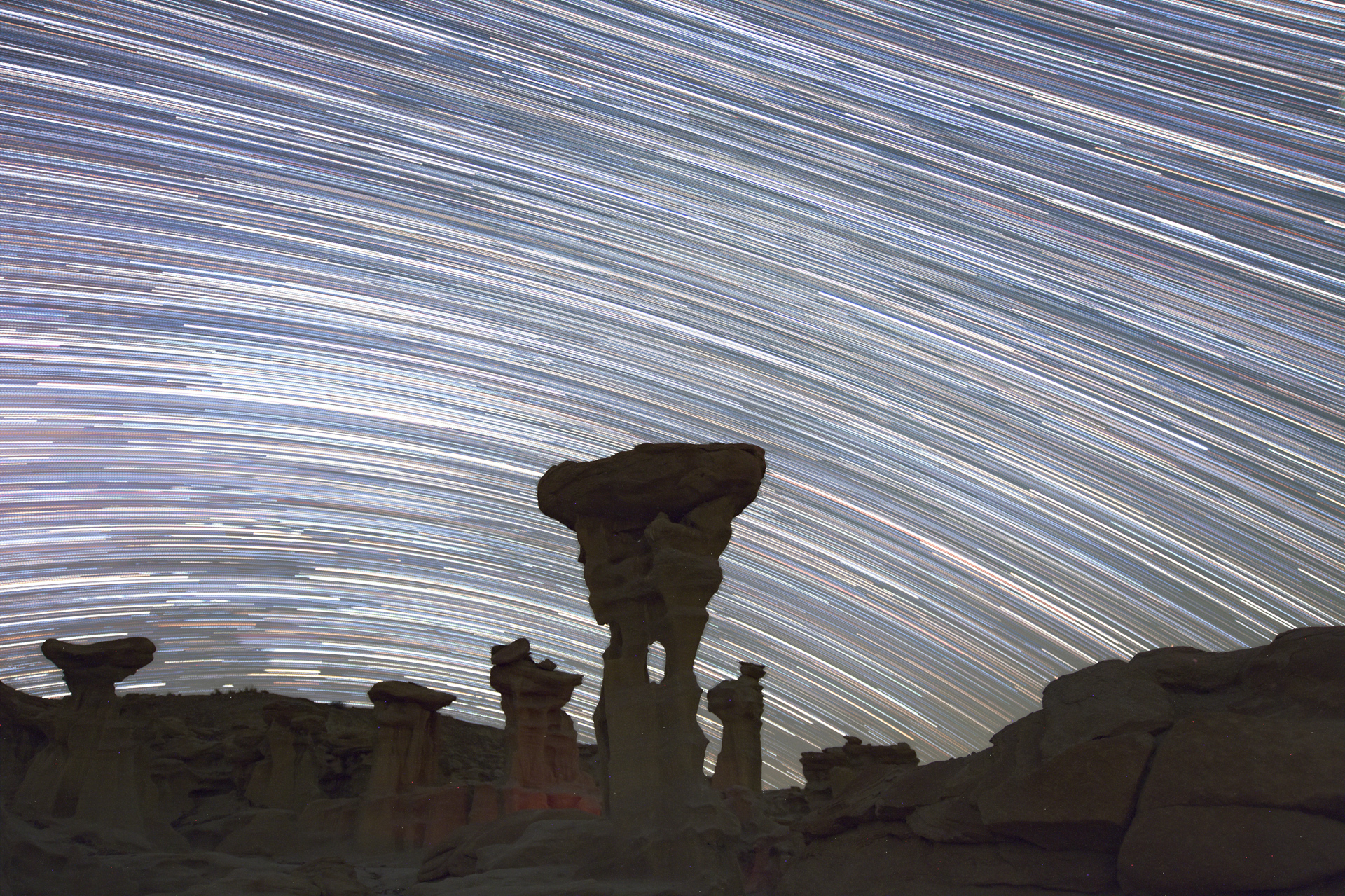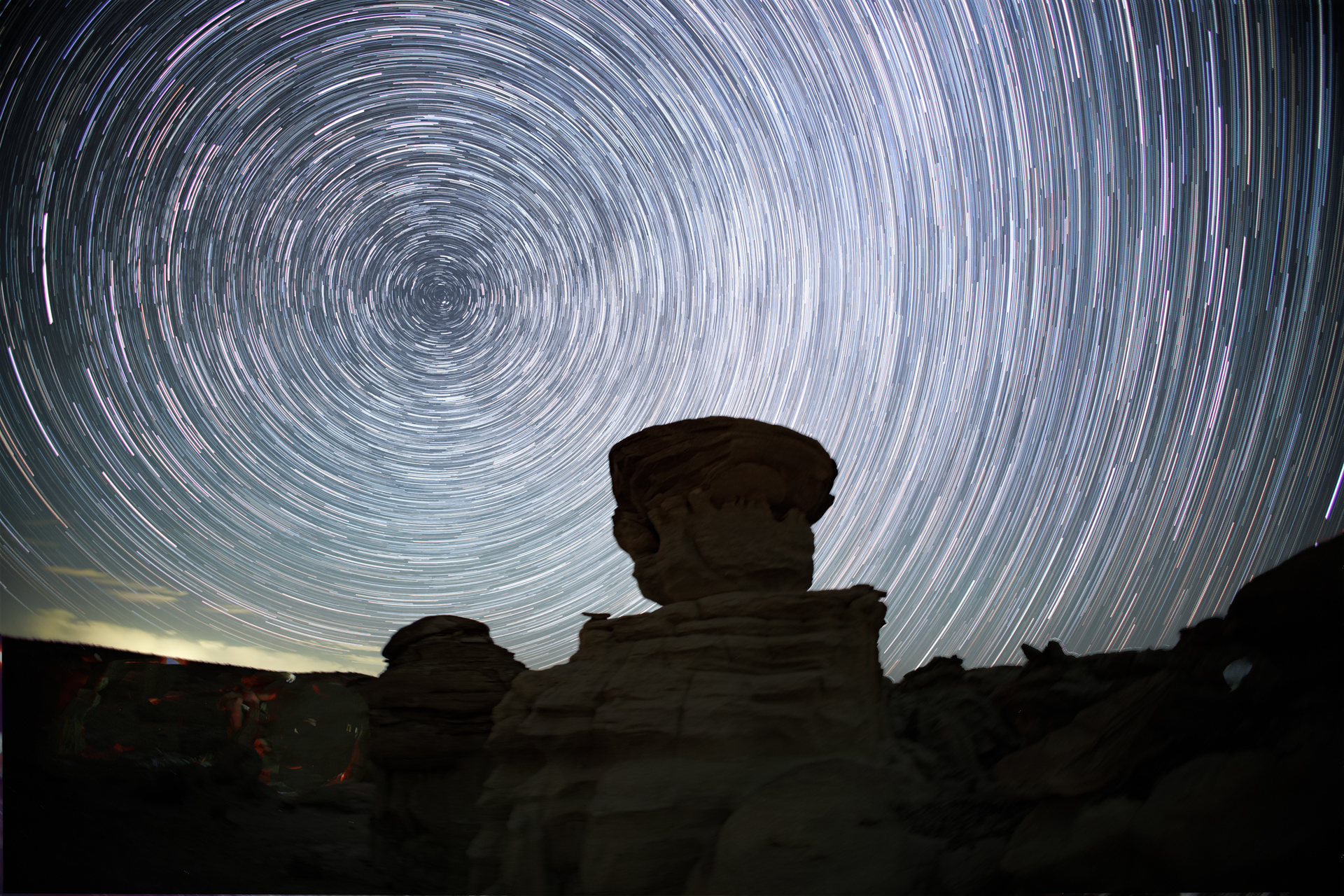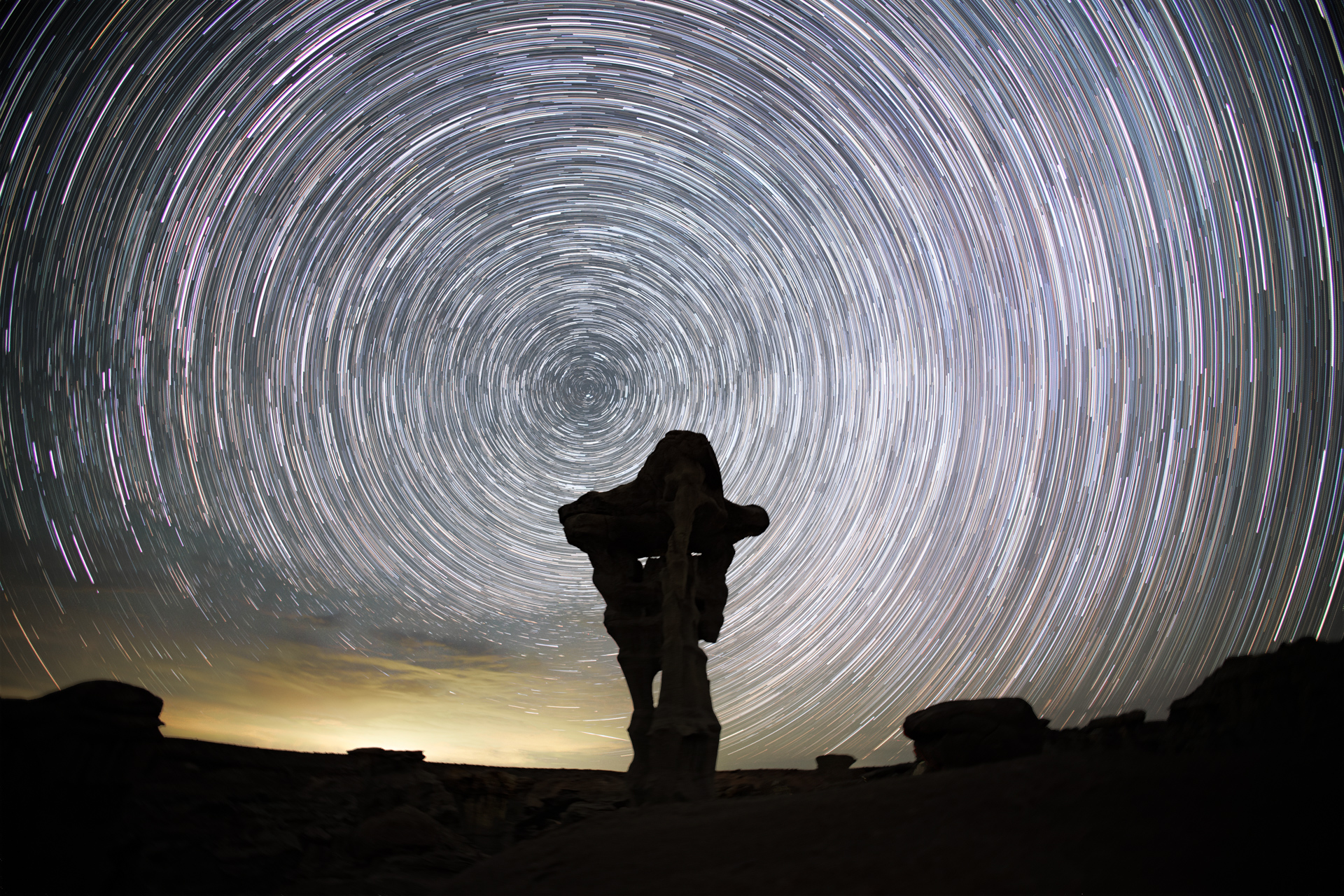
Having performed my reconnaissance by visiting the Alien Throne during the day, I was now ready to consider taking its portrait at night. I had in mind a view that included the Milky Way. And I wondered if I could create a timelapse of our galaxy moving across the sky behind it. It would require planning, equipment, and a bit of luck. A target 1-1/2 hours away from our hotel in Farmington, a further 1-1/2 mile trek across the desert, and an all-night vigil tending cameras, made this one of my most ambitious photo projects.
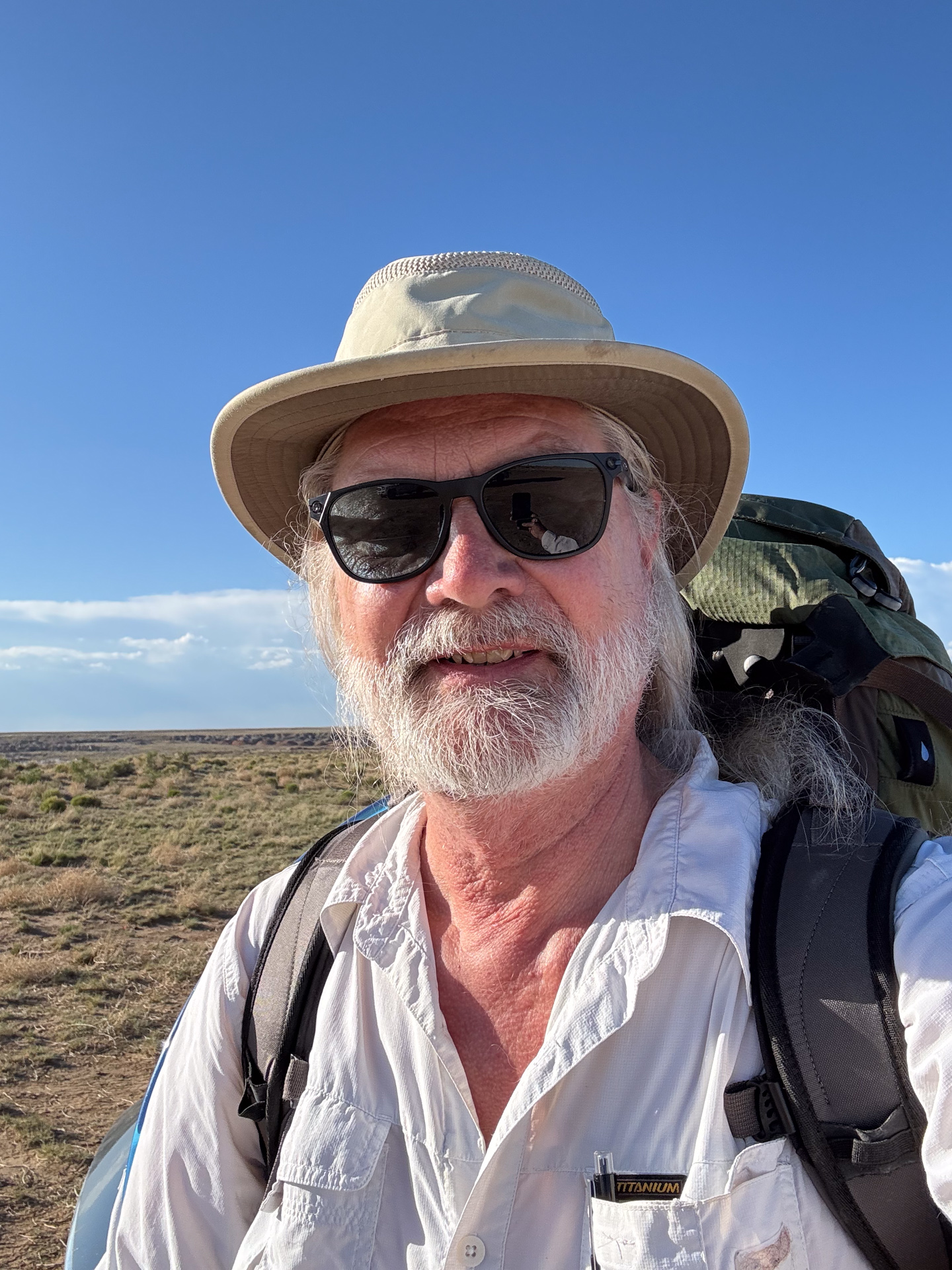
I had a backpack into which I put my gear: essentials like navigation tools, raingear and first aid, fleece, hat and gloves for overnight temperatures, a sleeping bag for further warmth (and option for sleeping), some snacks, plenty of water, and then the real payload: 20 pounds of camera equipment, which brought the total close to 40. For a single overnight trip, it felt as if I was going out for a week.
My planning [using the PlanitPro app] informed me that sunset would be at 8:20. I wanted to be at the site well before so I could set up and arrange my compositions, and also to capture the scenery in the “beauty light” that precedes sunset.
I got to the trailhead later than expected because I’m not immune from wrong turns, even when I “know” where I’m going. And the desert hike also took longer (was it the heavy pack?). The terrain tricked me into some dead ends. But I arrived at the Alien Throne just before sunset. It was spectacular!
And I was alone. I had feared that I would encounter other photographers with the same idea, but it looked like I would not have to negotiate camera positions, something I had never needed to do. So I went ahead and placed my tripods, aimed my lenses, set the exposure and interval timers, and started the shutters clicking. It takes a bit of time and concentration, but this is the pleasure of the hobby for me. Every outing is a new experiment; I add the details of each to my notebook, which then helps me on the next one.
With the cameras now clicking away on their schedules, I could step back and breathe a little easier. I found a niche among the rock formations to set my pack and recline against it. Twilight was advancing, and as I was recording my notes, I noticed lights splashing against the rock formations. Someone was hiking here in the dark, a headlamp lighting the way!
Rather than have them stumble across me in the dark, I called out, “hello?”
A voice replied, and a lone hiker arrived in the sandstone theater around the Alien Throne that hosted my cameras and my nesting place.
As I mentioned, I prefer to be alone during my nighttime star gazing excursions. If I see headlights approaching, I worry about what that vehicle brings. Often, it is a patrol car whose occupants either want to see your permit, or they want to look at Jupiter through your telescope. Though I am more fearful of wild carnivores than humans, I understand why women might prefer to encounter a bear than a man.
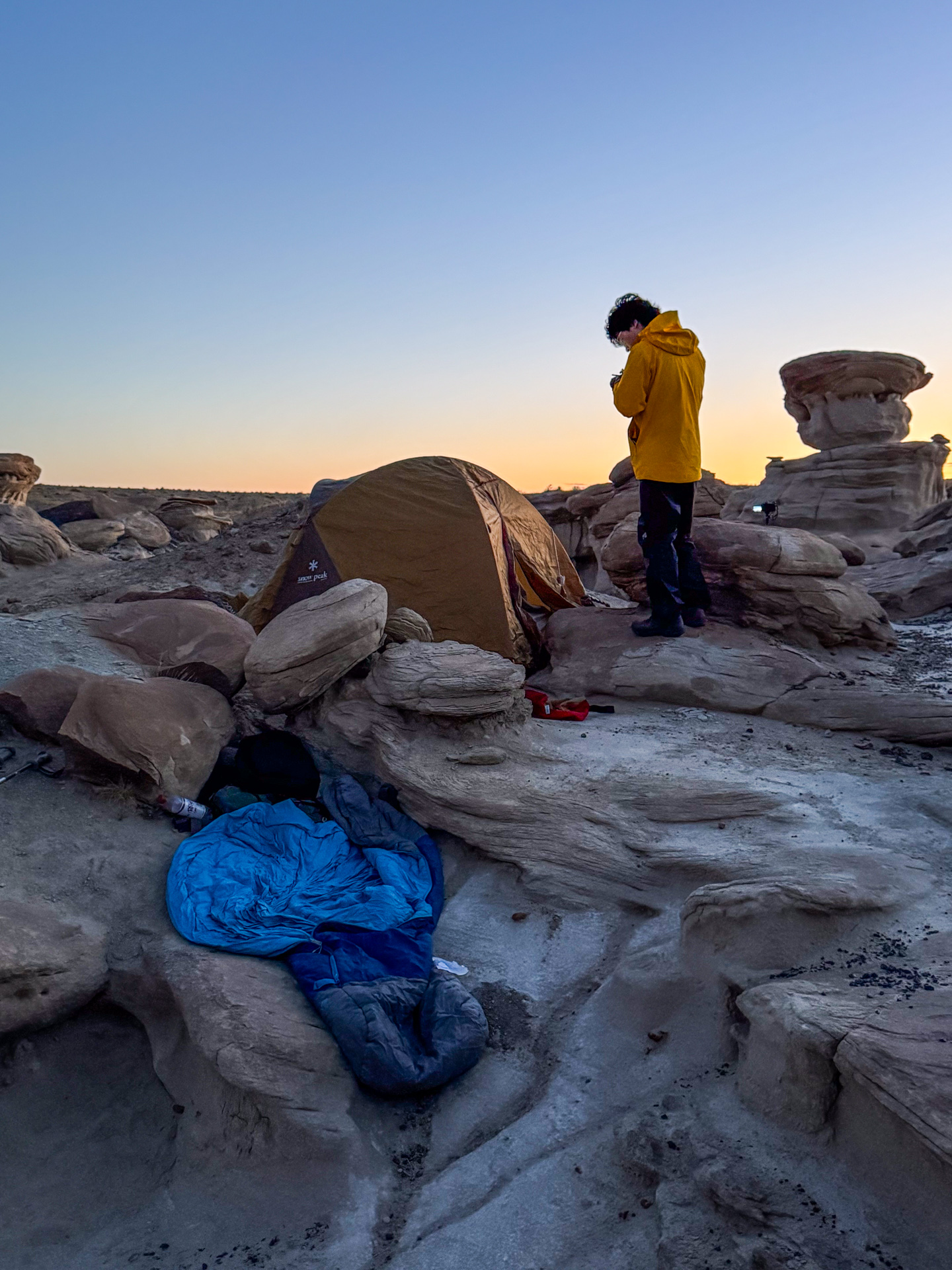
In this case, it was a student, recently graduated from UCLA, exploring the country before returning to his home in China. He had acquired a camera and discovered the cool startrail effects that could be obtained at night in unique settings like the one we were now both immersed in. It was a shared interest.
We exchanged introductions while he found a location for his tripod and camera. We had similar equipment, even identical travel tripods. Because my cameras were already in place and running, he found a location for his that did not interfere. It was an act of respect for the compositional claims that I had already staked, but also, I think, a reflection of his Asian culture of honoring and deferring to elders. I was pleased, perhaps even flattered, at the respect. There are few perks to being a septuagenarian; this was one of them.
My plans involved keeping my cameras in place and running all night. I needed to make some tracking adjustments and periodically replace batteries. His plans were to gather an hour or so of exposure in one place, and then move to a new location with a new subject and new backdrop. It all worked out with little or no interference. Between camera moves, we chatted and exchanged information from across our generations, homes, and cultures.
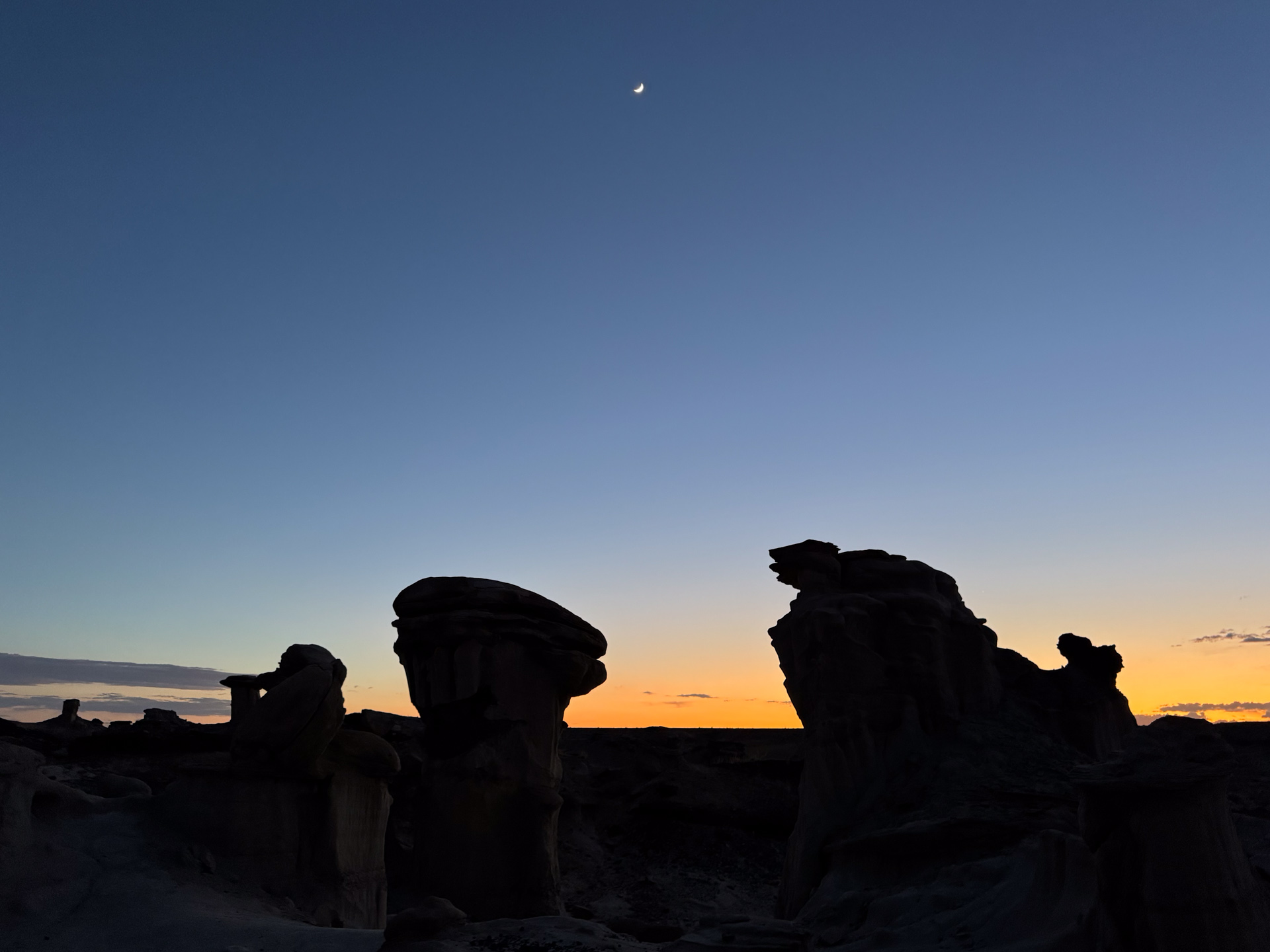
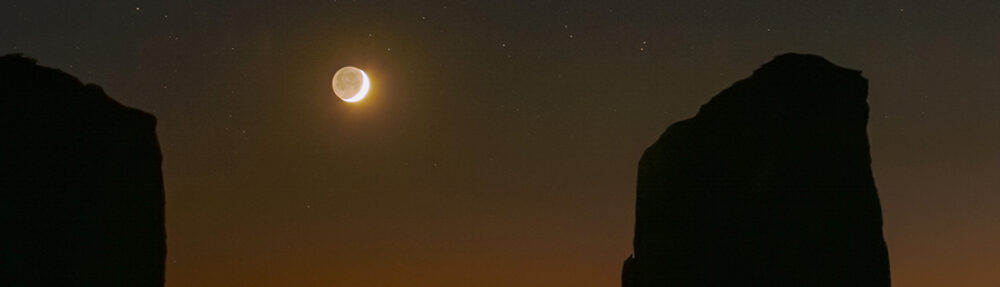
As the desert cooled down, we took refuge. I climbed into my sleeping bag, and he found enough surface area to pitch a small tent. I faced the open sky and watched the young moon set, the stars drift past, and the Milky Way rise from the east. “Sleeping under the stars” is a romantic notion, and a rare opportunity in modernity’s protected life. It is not easy to do in my midwestern home, where the sky is often cloudy and the air is filled with insects, but here in the desert, it is a wondrous experience.
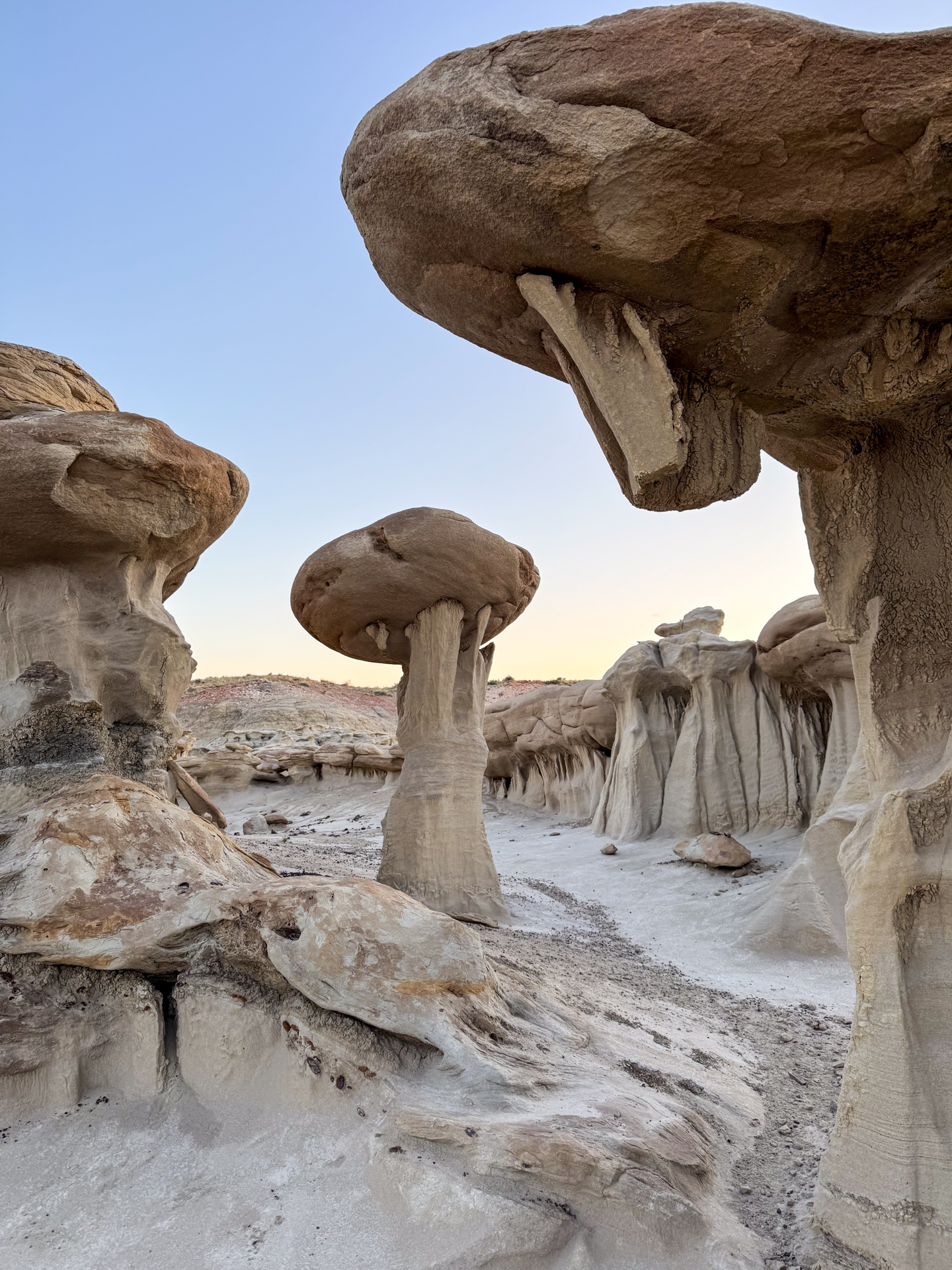
The night passed pleasantly by, in 90 minute segments, per my alarms to get up and attend the cameras. In this remote location far from city lights, the sky transitioned from one of the darkest possible, to the natural progression of twilight leading toward sunrise. The Milky Way faded into the brightening sky. My startrail and timelapse work was now complete, but I wanted to see the hoodoos in the morning sunlight. I was not disappointed.
As I started packing up my gear for the trek back, my fellow photographer brought out another of his gadgets: a drone, which he sent overhead to capture stunning views of the terrain in which we were immersed. I think this is technically not permitted in a BLM wilderness area, but I couldn’t deny how cool it was, and no one else seemed to be around to complain.
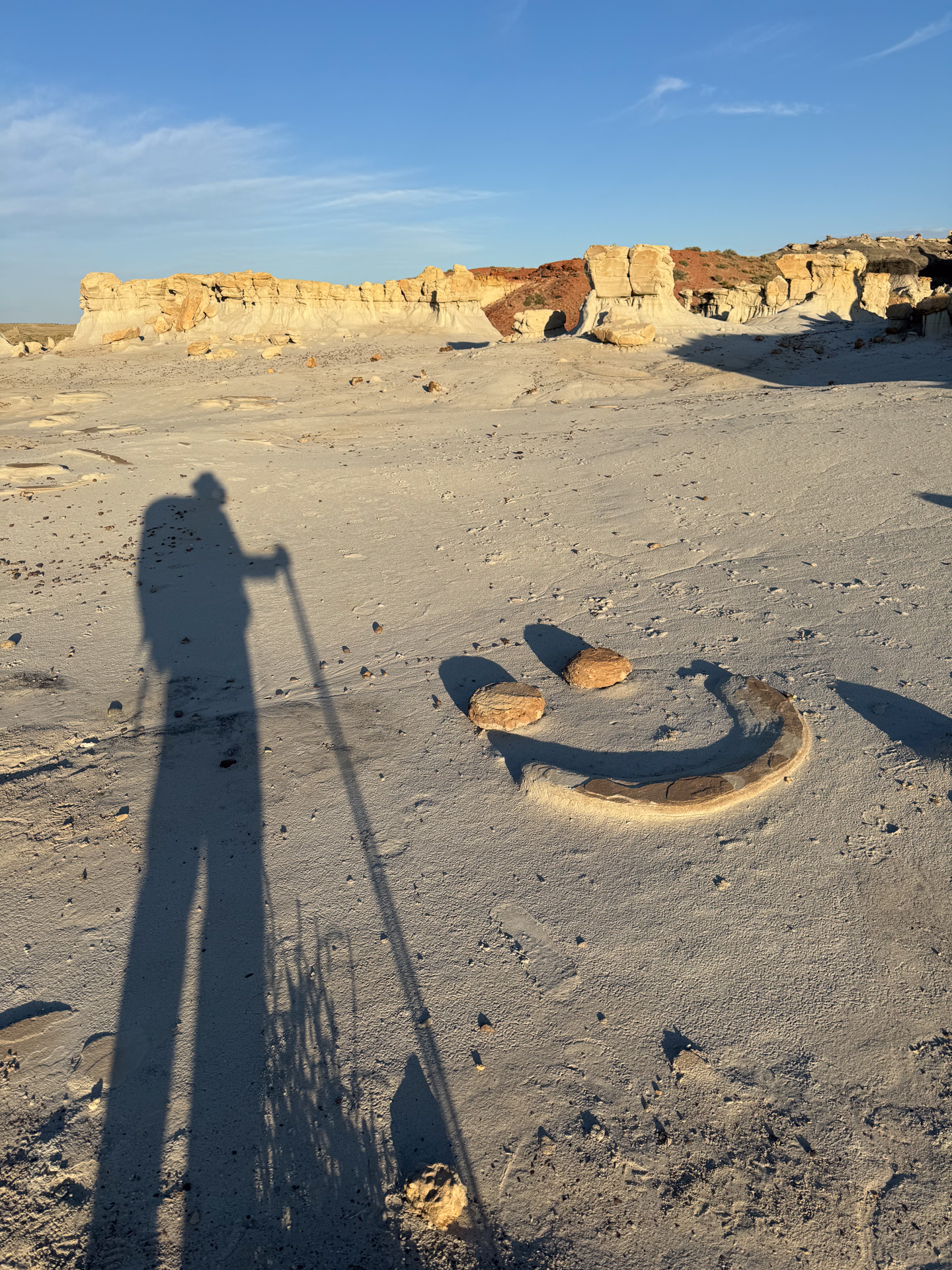
I finally said goodbye to my overnight companion. We exchanged email addresses, and I hope to share photos with him. I then hoisted my pack and headed back. The water weight had diminished, and I admired the morning light on the unique desert features. I was exhausted, making the night’s experience all the more valuable.
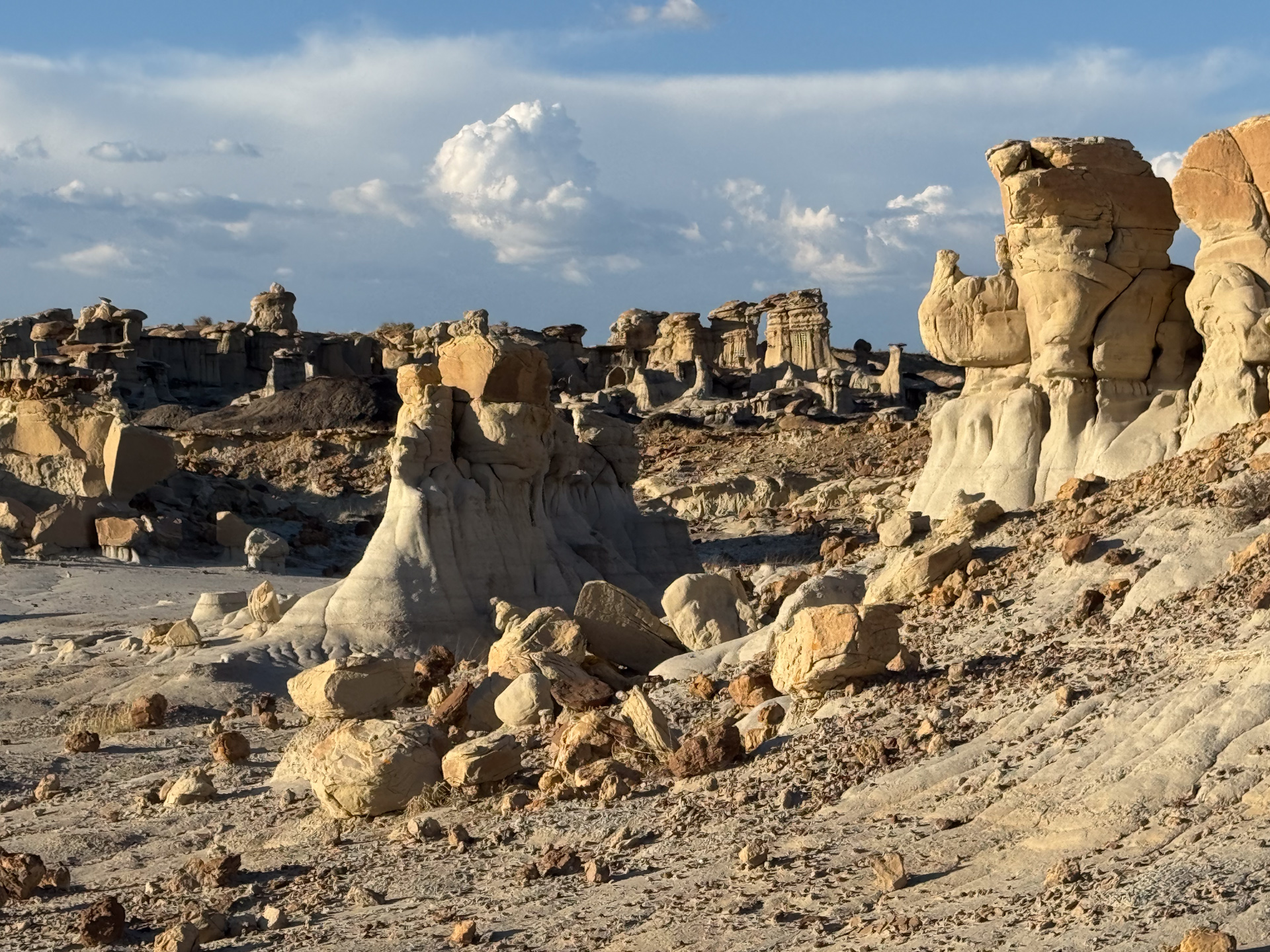
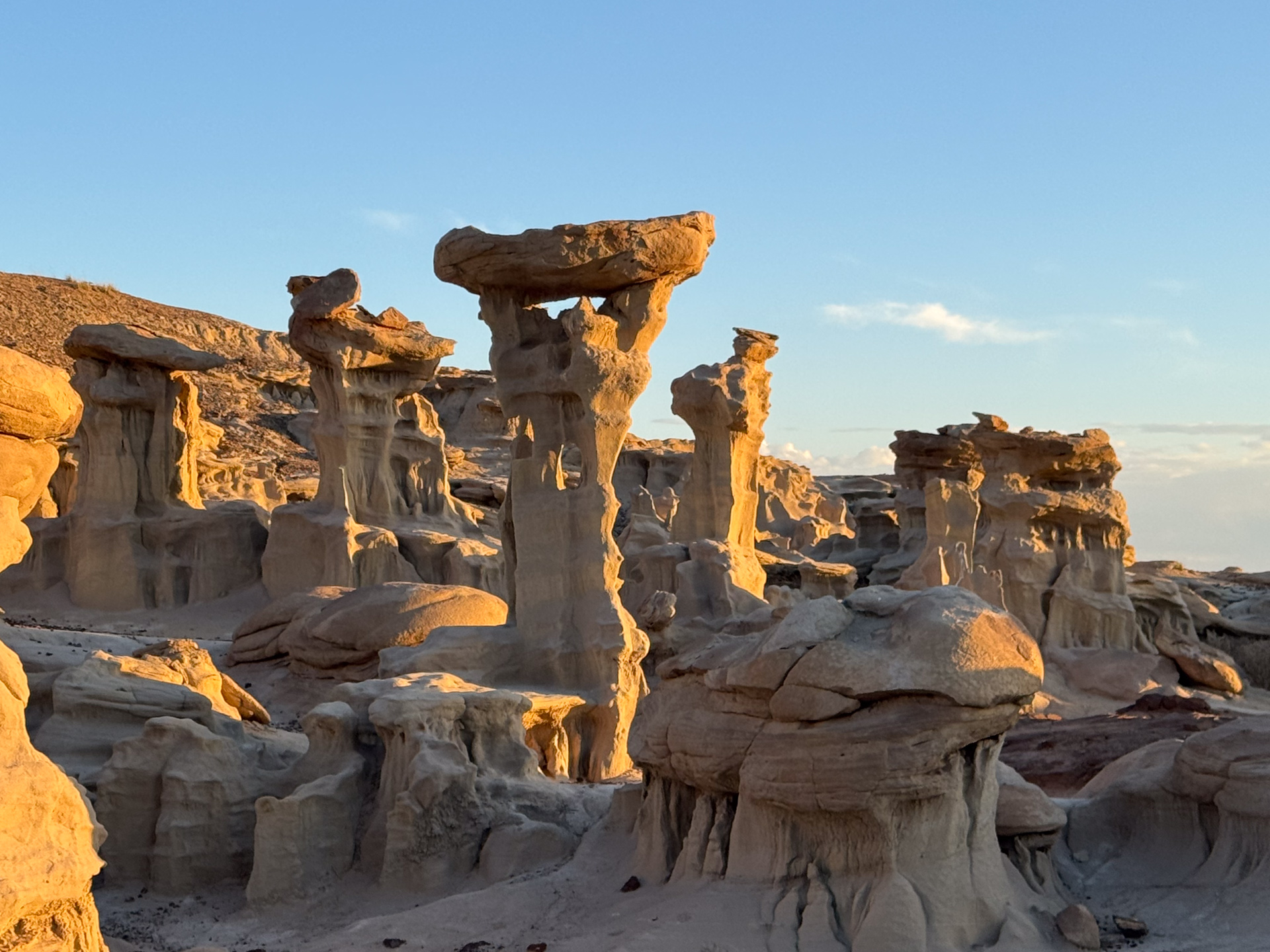
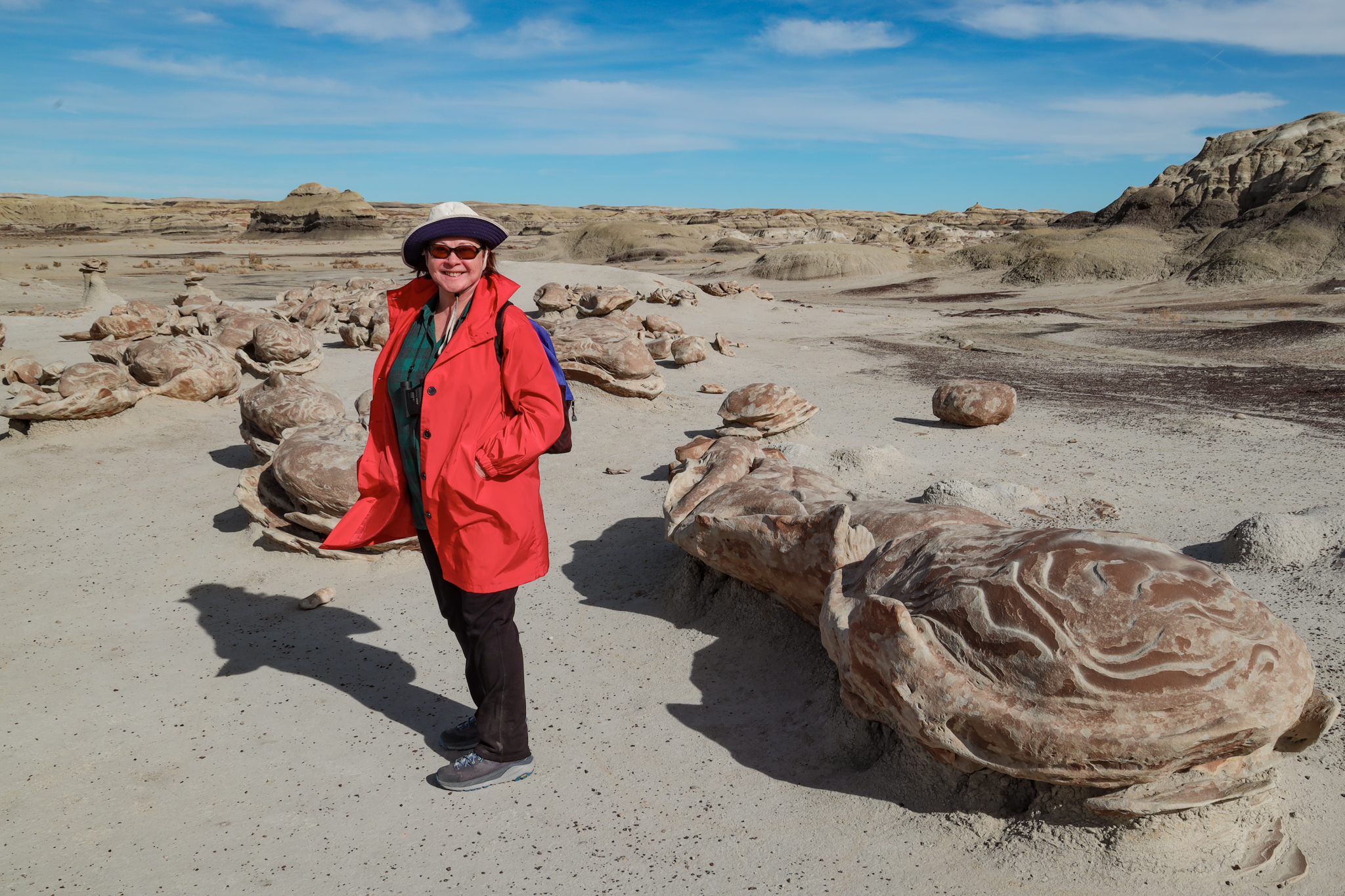
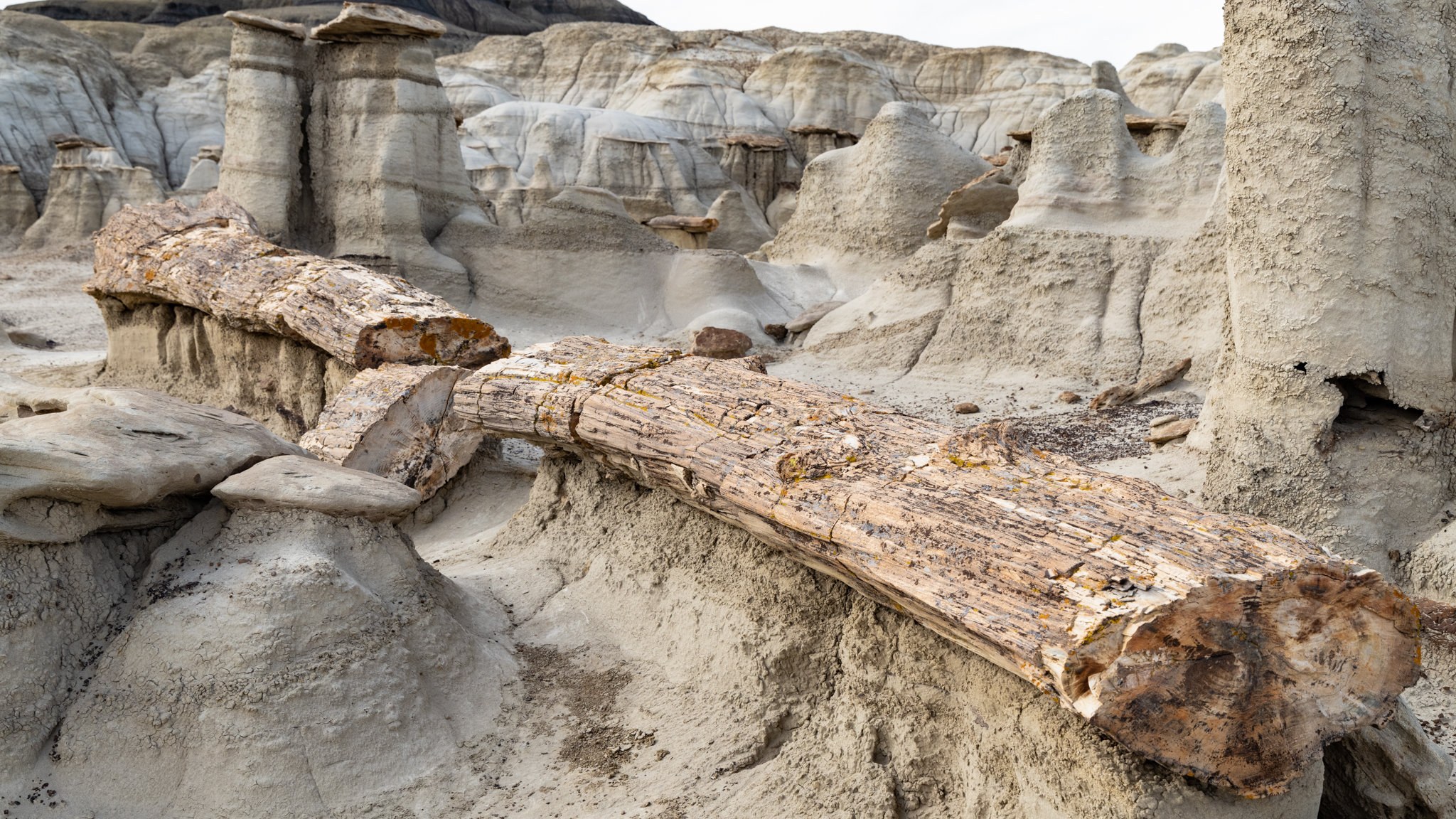
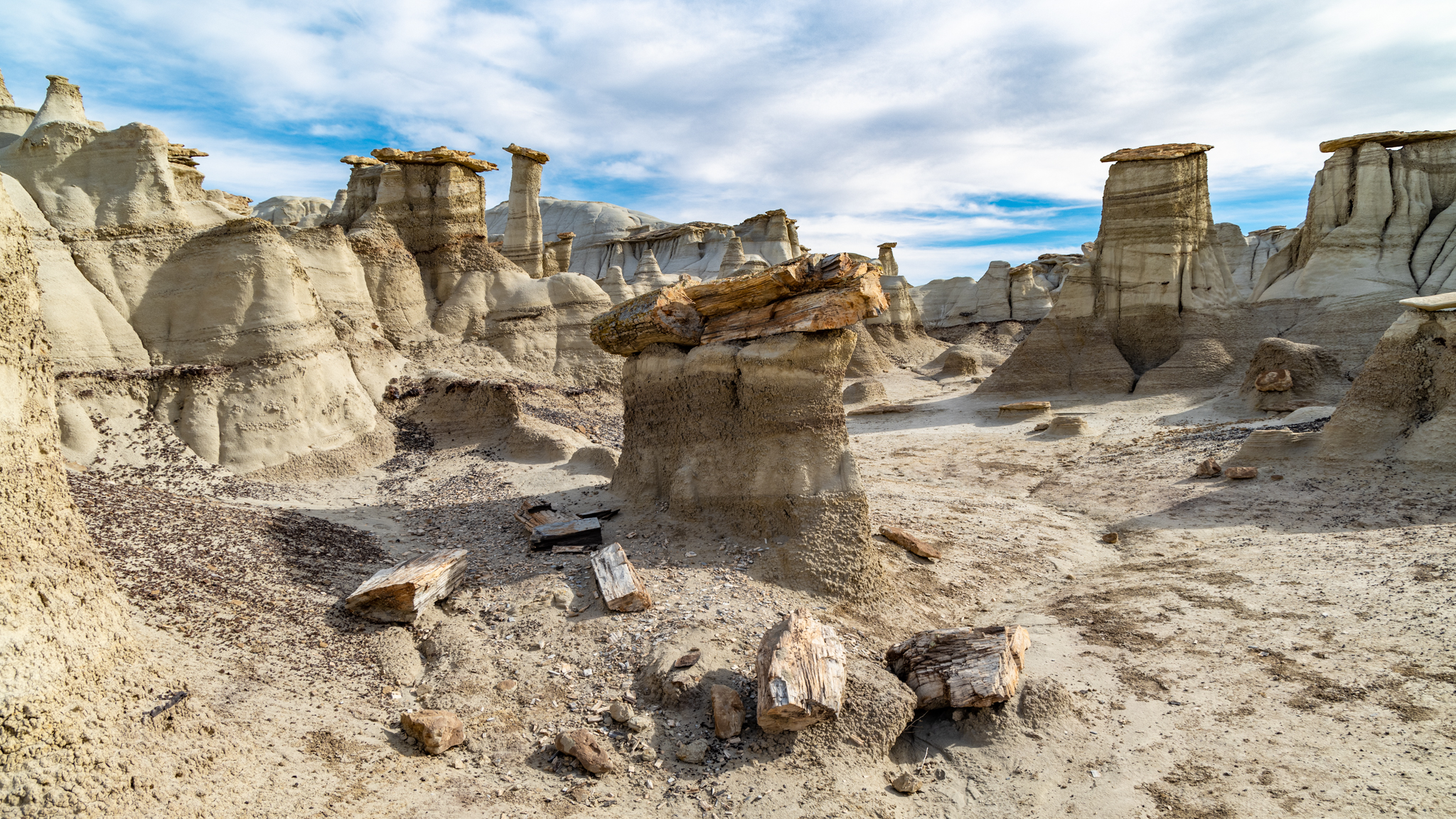
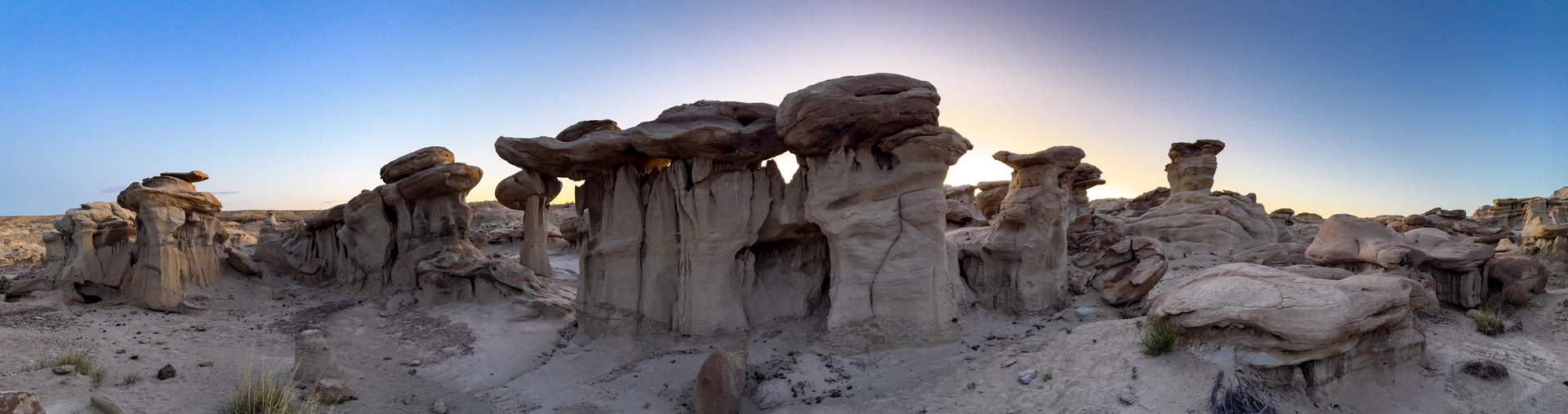
Here are some photos from that beautiful night. The first set was taken during daylight, the next from my nighttime exposures. Finally, I offer the timelapse video composited from the frames I acquired. I hope you enjoy them.